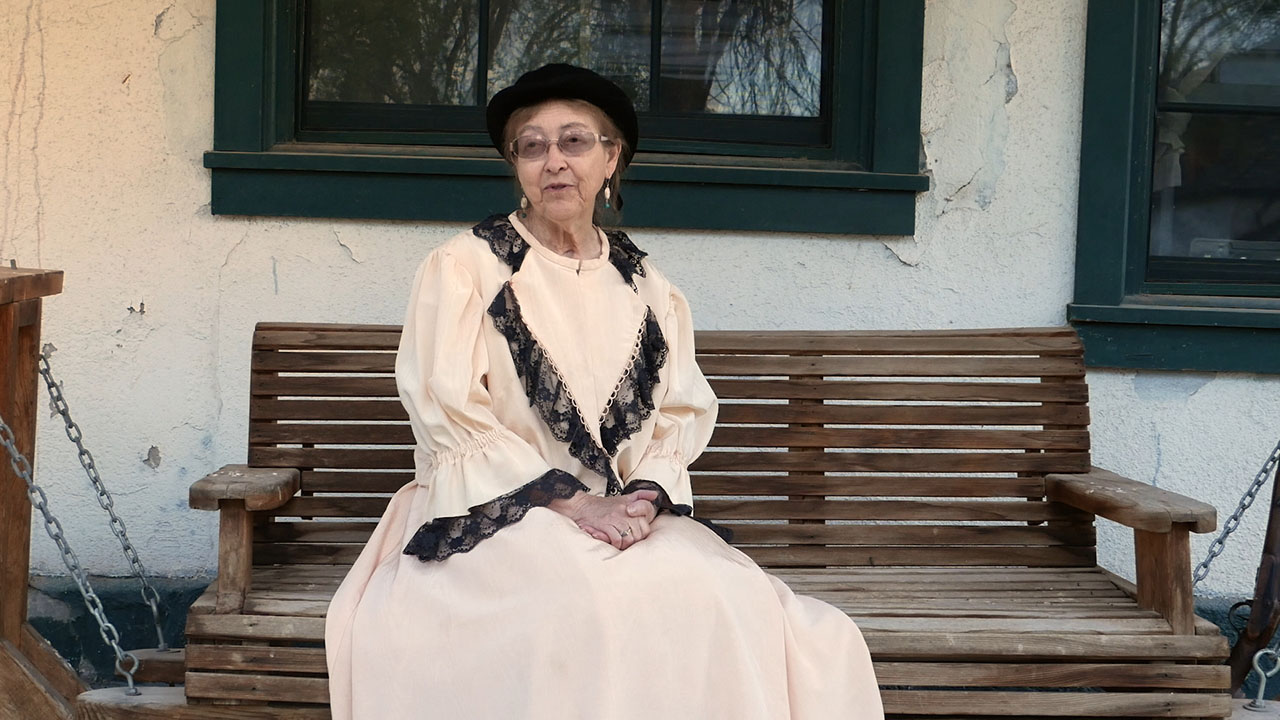
2021
HD video, color,
stereo,
original English version
71 min 47 s
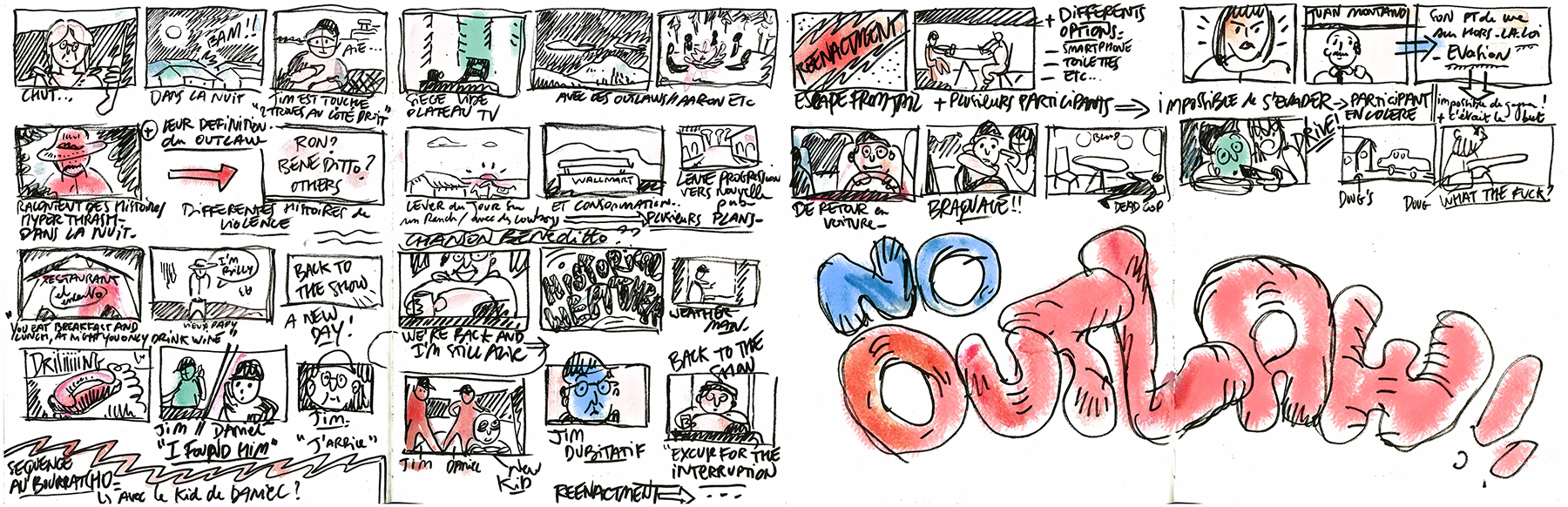
The New Kid, filmed during an artist residency in 2019 in Las Vegas, a small town in New Mexico, presents itself as an exploration of the famous 19th-century outlaw, Billy the Kid. A television show hosted by Jim Hunyadi thus kicks off the investigation with testimonies about the figure, whose historical reality draws on a mythological imagination that allows everyone to envision the life he might lead today. The composite film genre emerging from this synopsis oscillates between documentary and fiction, featuring a succession or interweaving of static television shots, tracking shots, hand-drawn or digital animation, film or photographic archives, testimonials, interviews, polls, video games, and intense interrogations. This parodic show is characterized by its discontinuity, as if every narrative transition were destined to be called into question, contradicted, or denied in the next sequence. This structure, whose coherence is ensured by the editing, is indicative of the film’s participatory production; the script is improvised and takes shape as Arnaud Dezoteux’s residency progresses and through his encounters with the people who play themselves on camera, though with a shared satirical ambition. This approach then allows for shifts in tone inspired by the fragmentation of television programming. Starting from an ambivalent myth, authenticity is constructed or deconstructed, just as truth and untruth coexist in the era of fake news and “alternative facts”. Myriam Poiatti




What’s an outlow to do today?



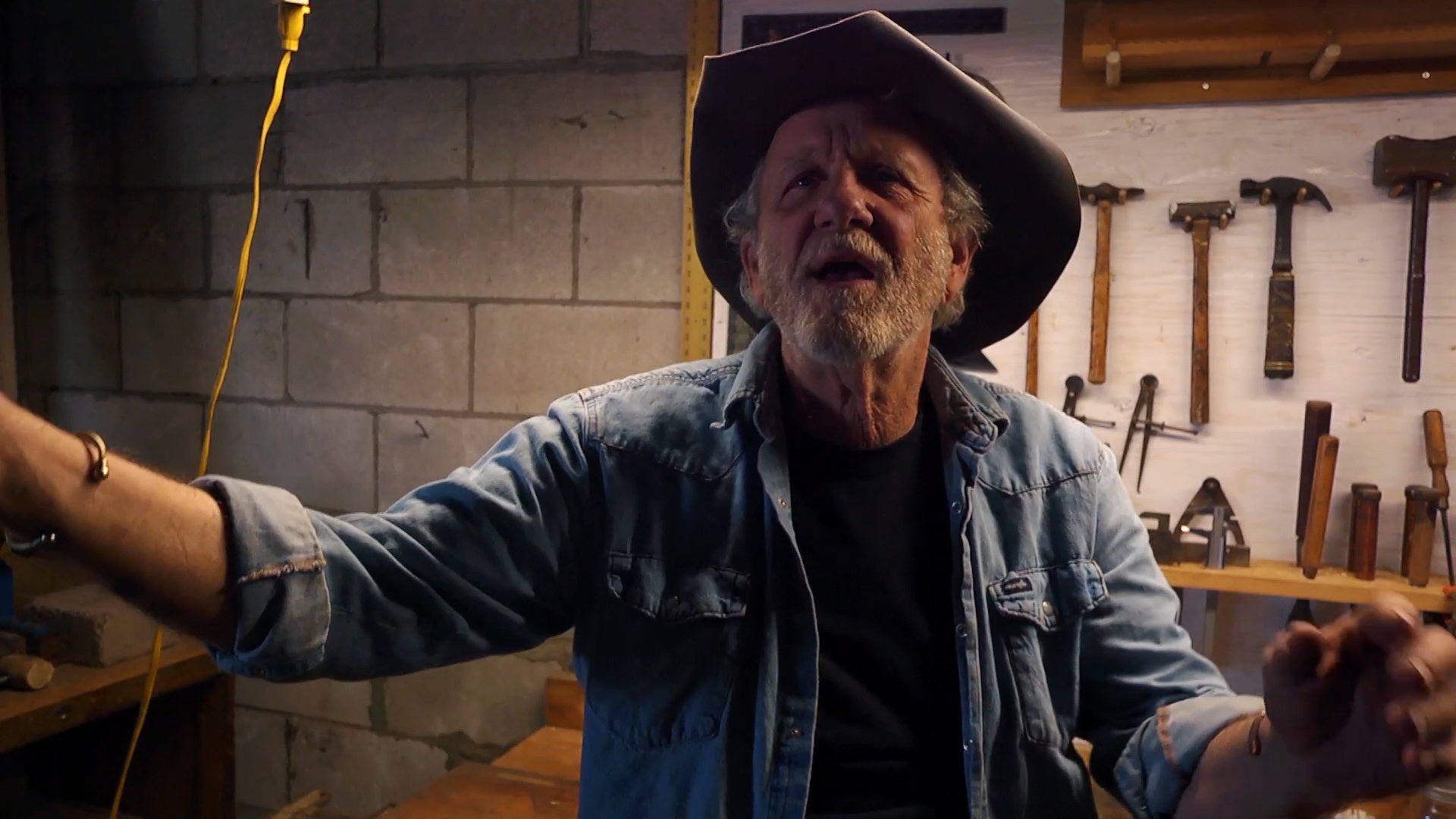
Vision in New Mexico
– a poem by Edward Alexander
Coming down from
the Sangre de Christo,
following the Pecos,
you come to a great
divide,
and from there,
you can see all the way.
Maybe even all the way
to Mexico.
Stop and listen into
the wind.
There’s a ghost of a chance,
you will hear the dust
of Billy Bonney.
(No one who knew him,
ever called him `The Kid`.)
Now just a vision,
as thin as the wind itself.
See him there,
up-on that little rise.
A figure,
leaning against his pony.
Forever looking out
across this great distance.





Text by Éric Loret, in AOC “Knowledge Through Monsters – On the Work of Arnaud Dezoteux”:
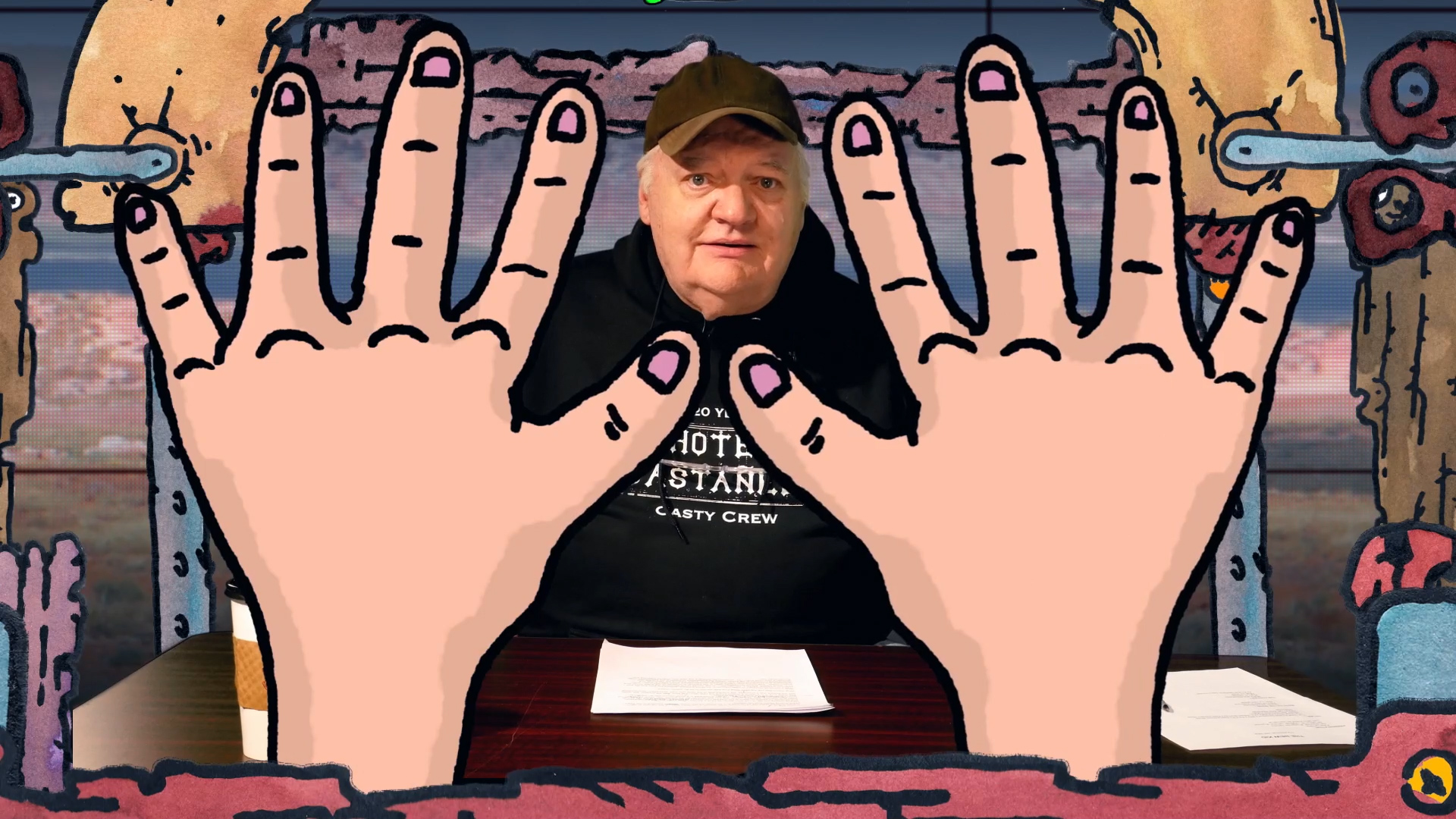
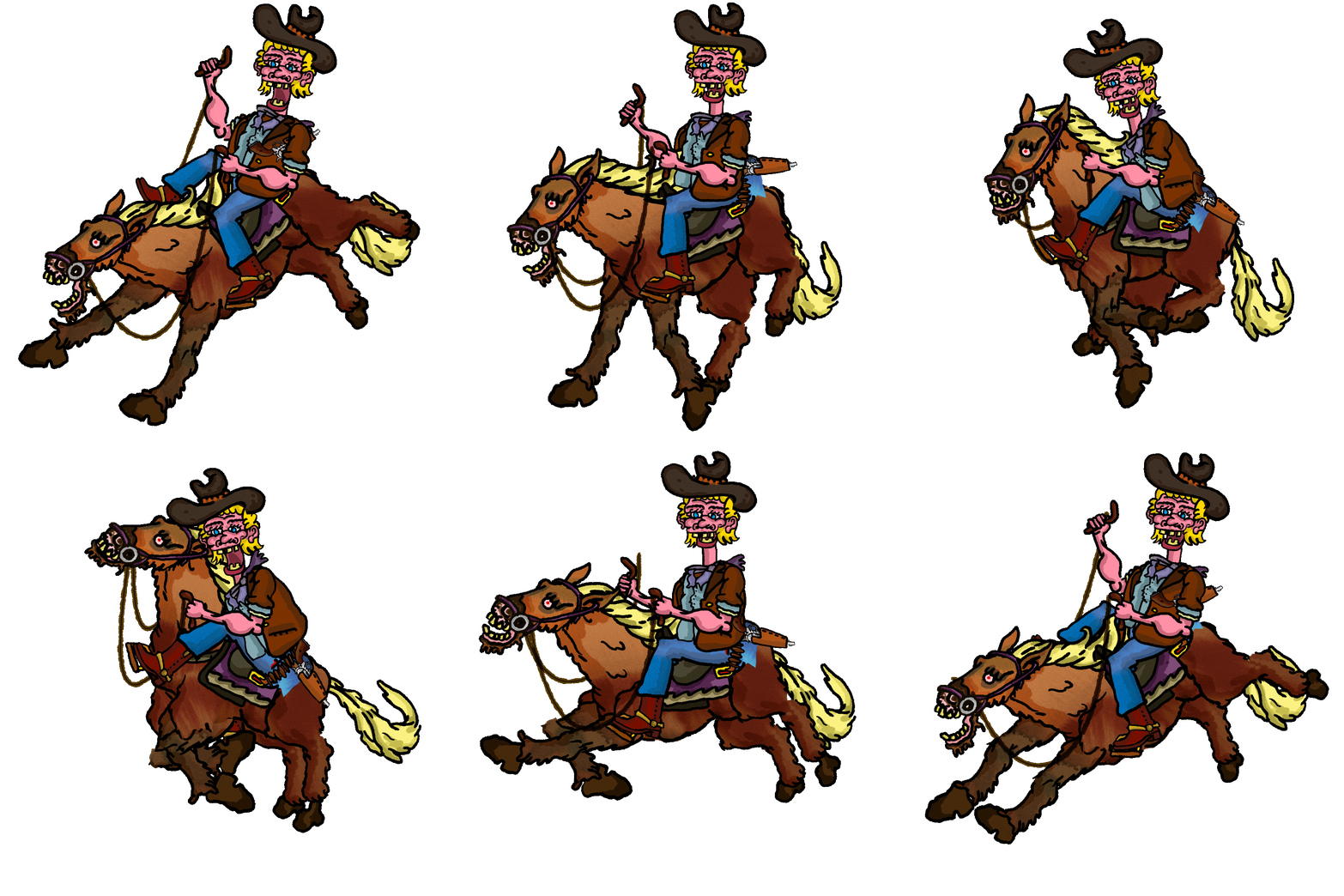
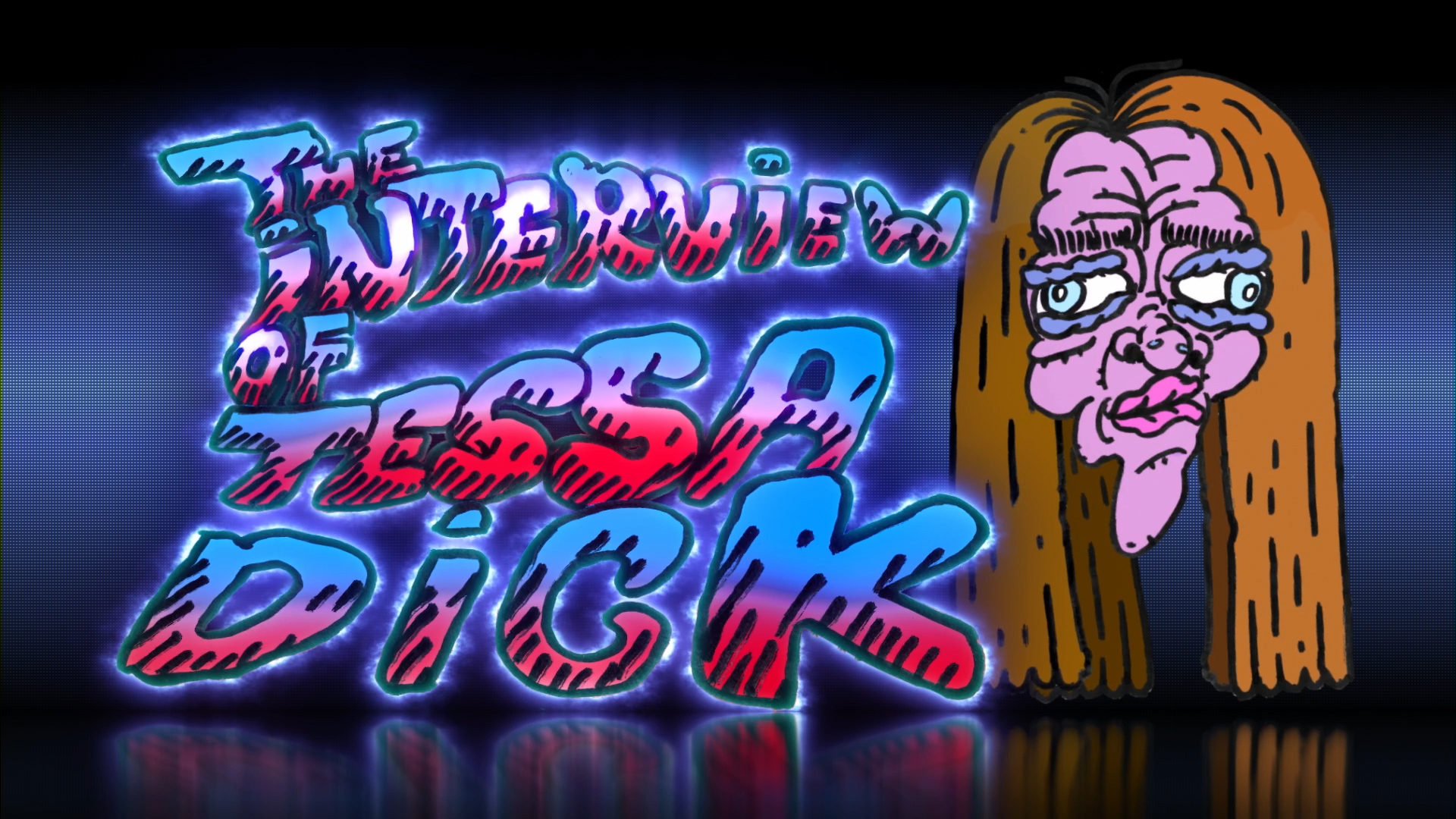
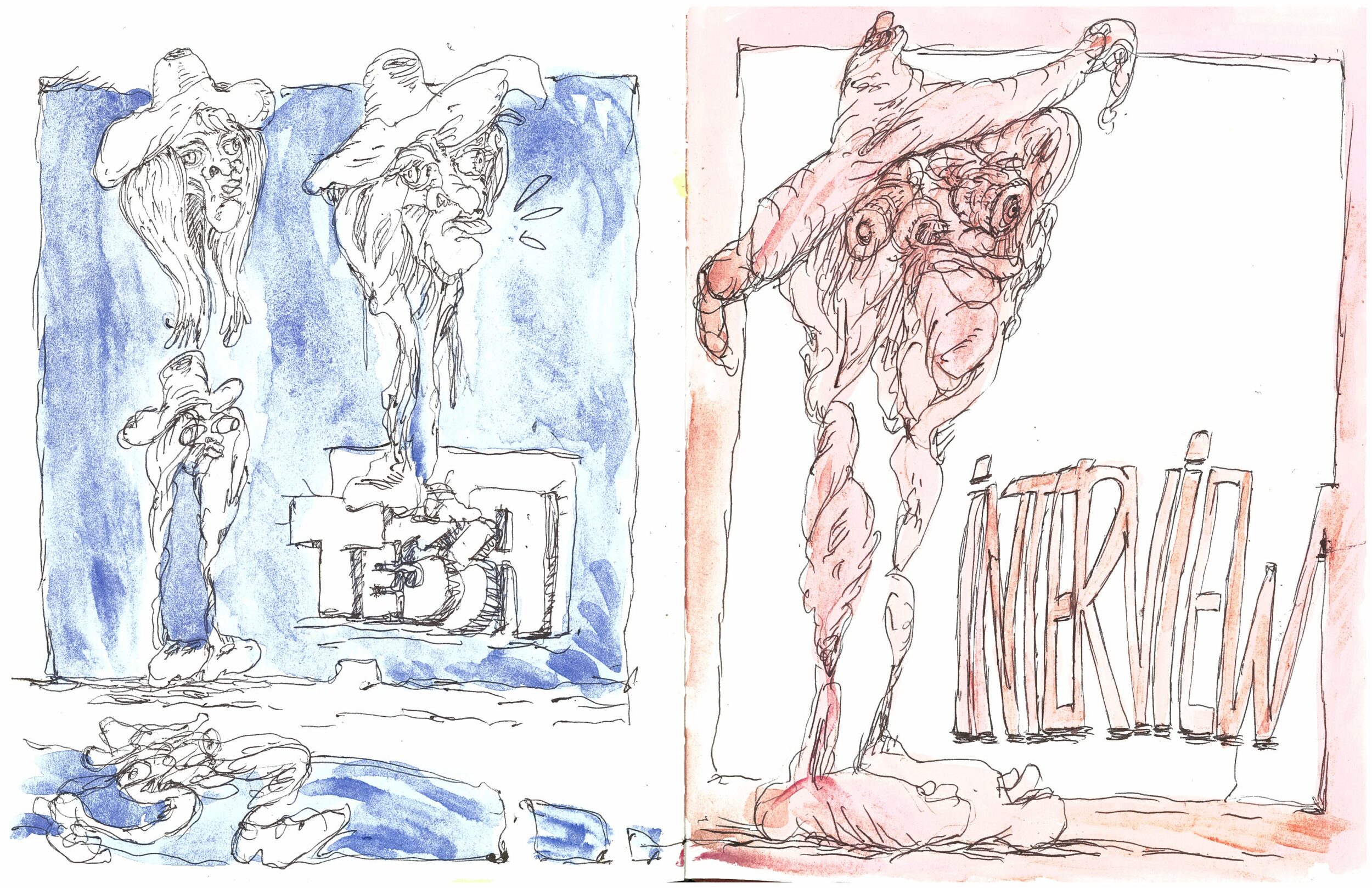
Acquiring new powers and forging a new reality is the premise of *The New Kid*. It takes place in Las Vegas, but not the one we know—another one, in New Mexico, with a population of 13,000. An elderly man with a baby face hosts a strange TV show called The Great Billy The Kid’s Reenactment Show. It mixes wild cartoons, street interviews, fake commercials, and the host’s direct involvement in staging the sequences shown during the show. This host, Jim Hunyadi—the actor’s name is the same as the character’s—wears a T-shirt emblazoned with “Castaneda.” One might suspect a connection to the peyote-using writer: but no, it’s actually a historic Las Vegas hotel—with a tilde over the “n.” No matter; in exchange, we get an interview with Tessa Dick, Philip K.’s widow, who proposes an intriguing idea: what if we could change the past the same way we rewrite a Wikipedia entry? This will be the premise of the show: “reenactment” applied to the character of Billy the Kid. While the term “reenactment” originally referred to costumed reenactments of historical events, cultural studies and contemporary art have appropriated it, emphasizing the capacity of these reenactments to be not merely a preservation but a rebirth, an active and creative performance. Anachronism plays a major role here in the rapid re-historicization of the “mentalities” and “facts” commonly accepted by mainstream history. The Annales School’s program in role-playing form, if you will. And the best-known example in cinema would be Peter Watkins’ *La Commune (Paris 1871)* (2000).
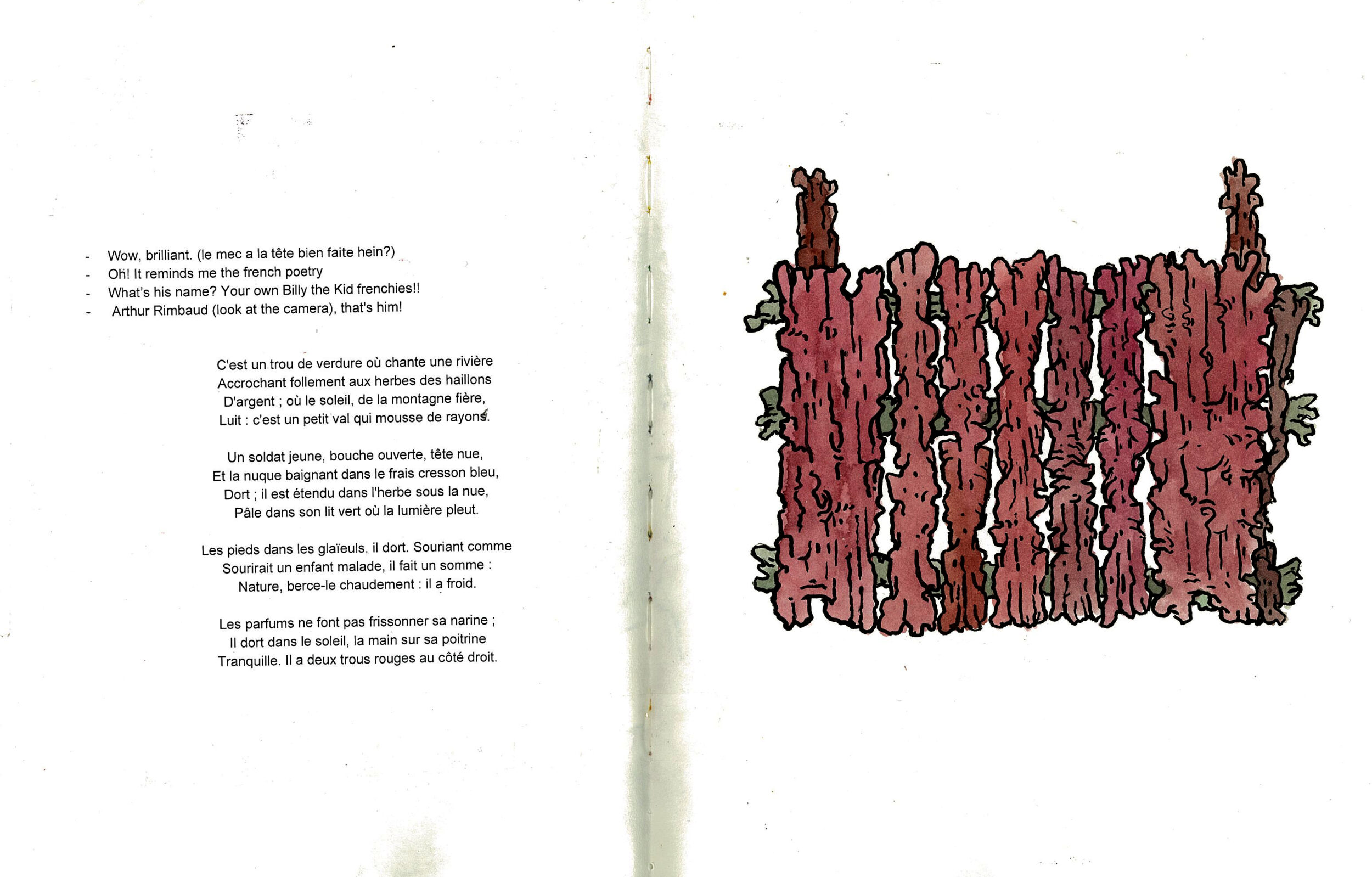
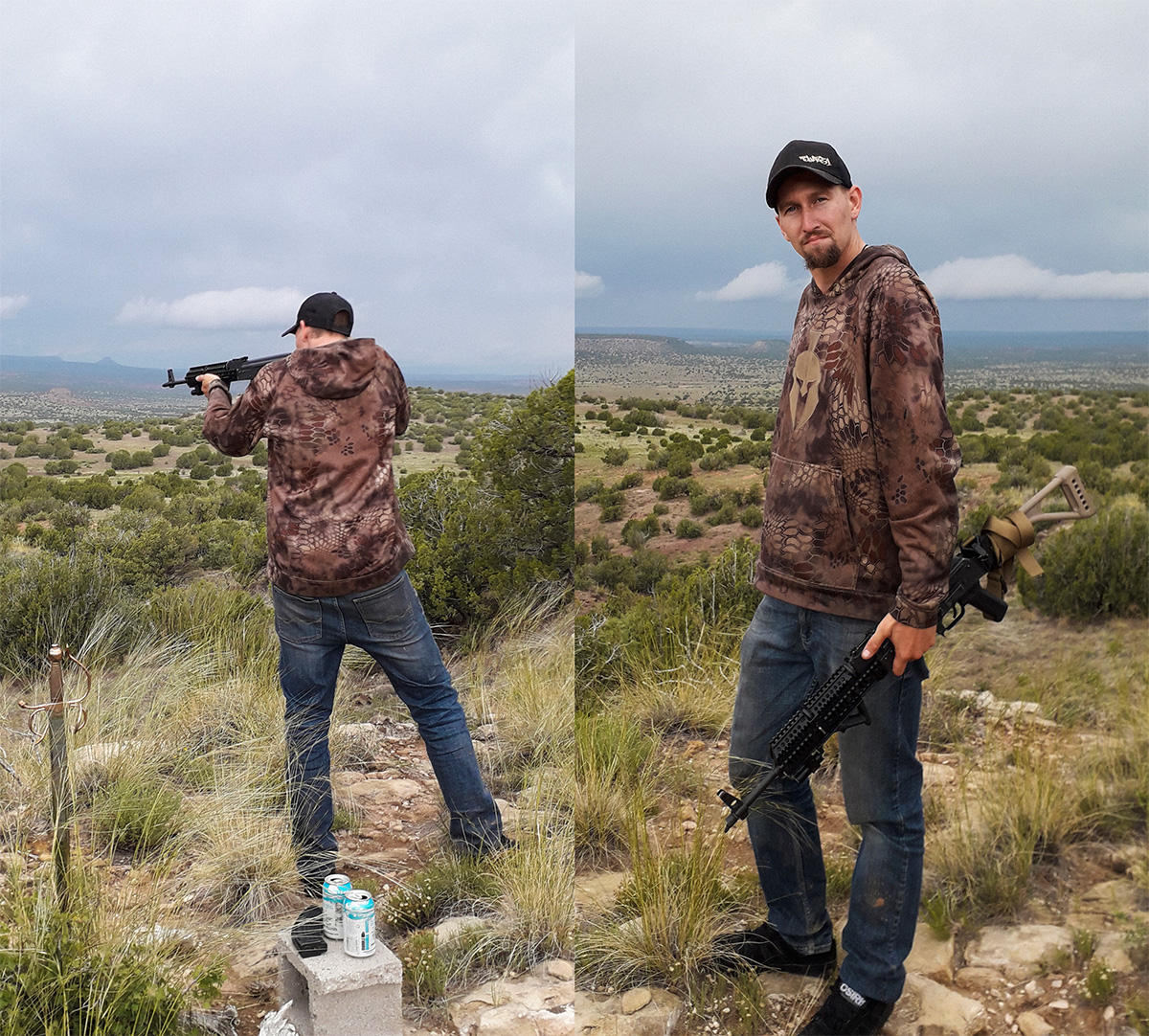
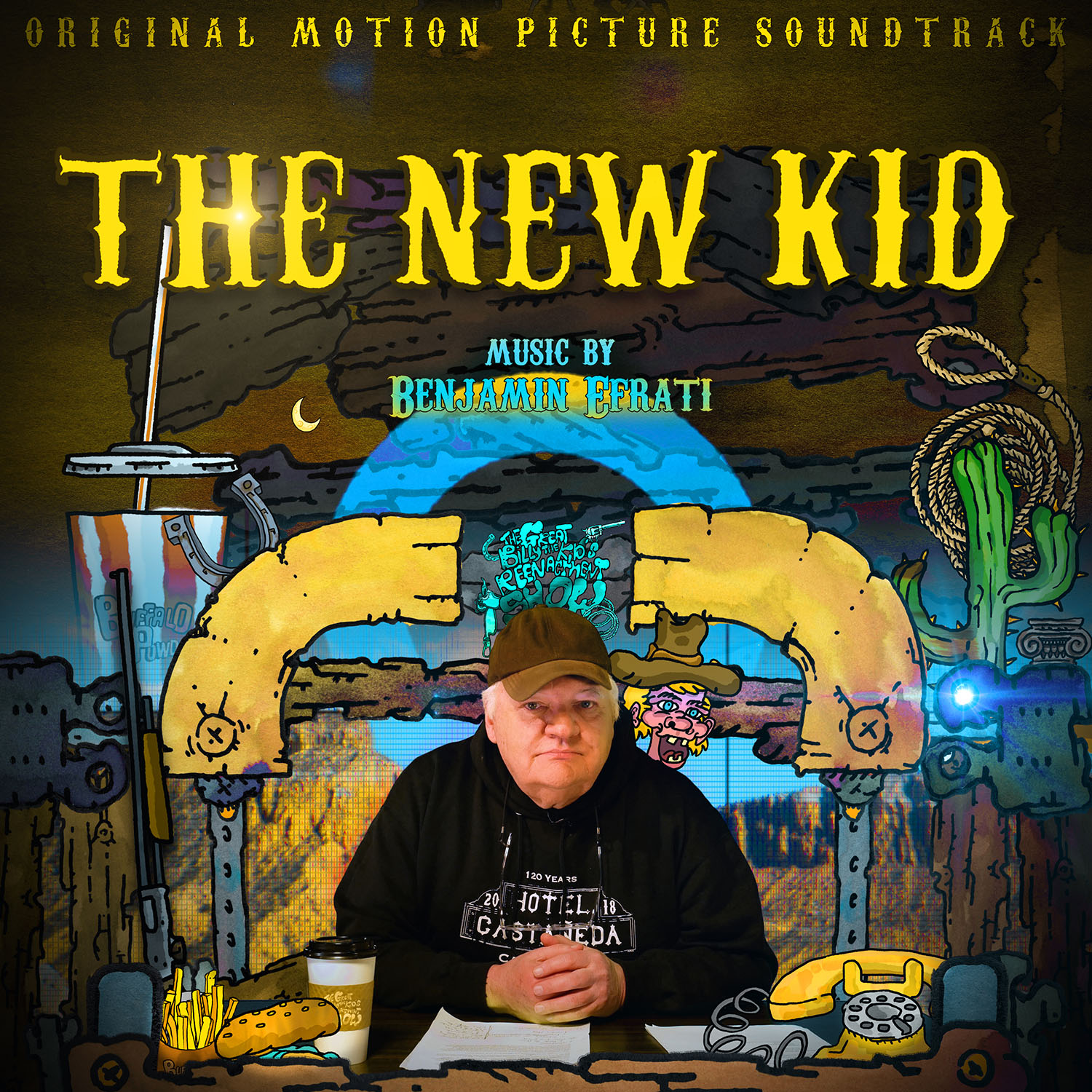
So it is clear: the framework of *The New Kid* will teach us nothing about Billy, but only about how the inhabitants of Las-Vegas-en-mineur imagine him, and above all about the relationship between humans and the construction of life stories, including their own. In this regard, one of the most beautiful moments is when Jim Hunyadi, conscientiously and visibly reading the English text that Arnaud Dezoteux has printed for him, yet with eyes still moist with emotion, begins to recite Rimbaud’s “The Sleeper in the Valley” in French. As for the humor, we won’t go into every detail, but the discussions—and actions—regarding the carrying of weapons or the revelation of who would best embody “The Kid” today are worth their weight in irony. While structured like an investigation, the film takes pleasure in traversing various cinematic genres—supported in this endeavor by a transformative score by Benjamin Efrati—without neglecting the tropes of the TV show: ubiquitous ads inviting us to call in and give our democratic opinion on questions such as “Does Billy the Kid deserve to be pardoned?” As for the overall movement, it is that of life itself, in a way—namely, entropy: the more things get organized, the more they go haywire in every direction. This ties in with the film’s ending: the figure of Billy the Kid is relegated to anonymity, dispersion, even disappearance. We find in *The New Kid* certain recurring motifs from Arnaud Dezoteux’s work. The child savior, for example, because he is capable of imbuing the game with a kind of productive seriousness—while the adult remains trapped in doubt or tragedy. Here, it is the unwelcome intern who invents improbable incarnations of the Kid for Jim Hunyadi.

RIZ VIRK
Coming back to this idea, this alternate history, you mentioned in your book about Billy the Kid and the website and how it was different. Could you maybe talk about that a little bit?
TESSA DICK
Yeah. I followed up on it here and there because there’s an official site apparently run by his descendants. I first heard about it on Art Bell. One of the callers said that he was in a college course on American history and that his textbooks said that Billy the Kid was shot and killed during an attempt to break out of jail. But he distinctly remembered that Billy the Kid was shot in the back while riding on the trail. Same guy did it in both stories. I keep forgetting the guy’s name.
RIZ VIRK
Pat Garrett, right?
TESSA DICK
Right, yeah. Okay, I looked it up on the website, and it said he was killed during an attempt to break out of jail. Well, a few years later, I mentioned that to my brother, and he said, “No, he was shot on the trail in the back while riding away by Pat Garrett.” So I checked the website again, and this time it says that Billy the Kid was shot at a friend’s house by Pat Garrett, that he was shot at a friend’s house while running away from the law. Well, that isn’t how Billy the Kid died. That would be Jesse James. That’s how Jesse James died, but it said that Billy the Kid died that way.
RIZ VIRK
Well, what do you think is happening there?
TESSA DICK
Well, either somebody’s changing the actual history, or they’re just changing the written history.
RIZ VIRK
Yeah. And so do you believe as perhaps, Phil did that we’re living in some kind of illusion reality and that people can change different parts of the past or loop back? What are your thoughts on that?
TESSA DICK
I kind of think that time is not what we think it is.
RIZ VIRK
Right. So these could…
TESSA DICK
Well, it could be they’re just changing the books, or it could be someone’s changing the actual history. Who knows? It doesn’t seem as important to me as how and when and where he was killed. He was still dead.


Back to the show.

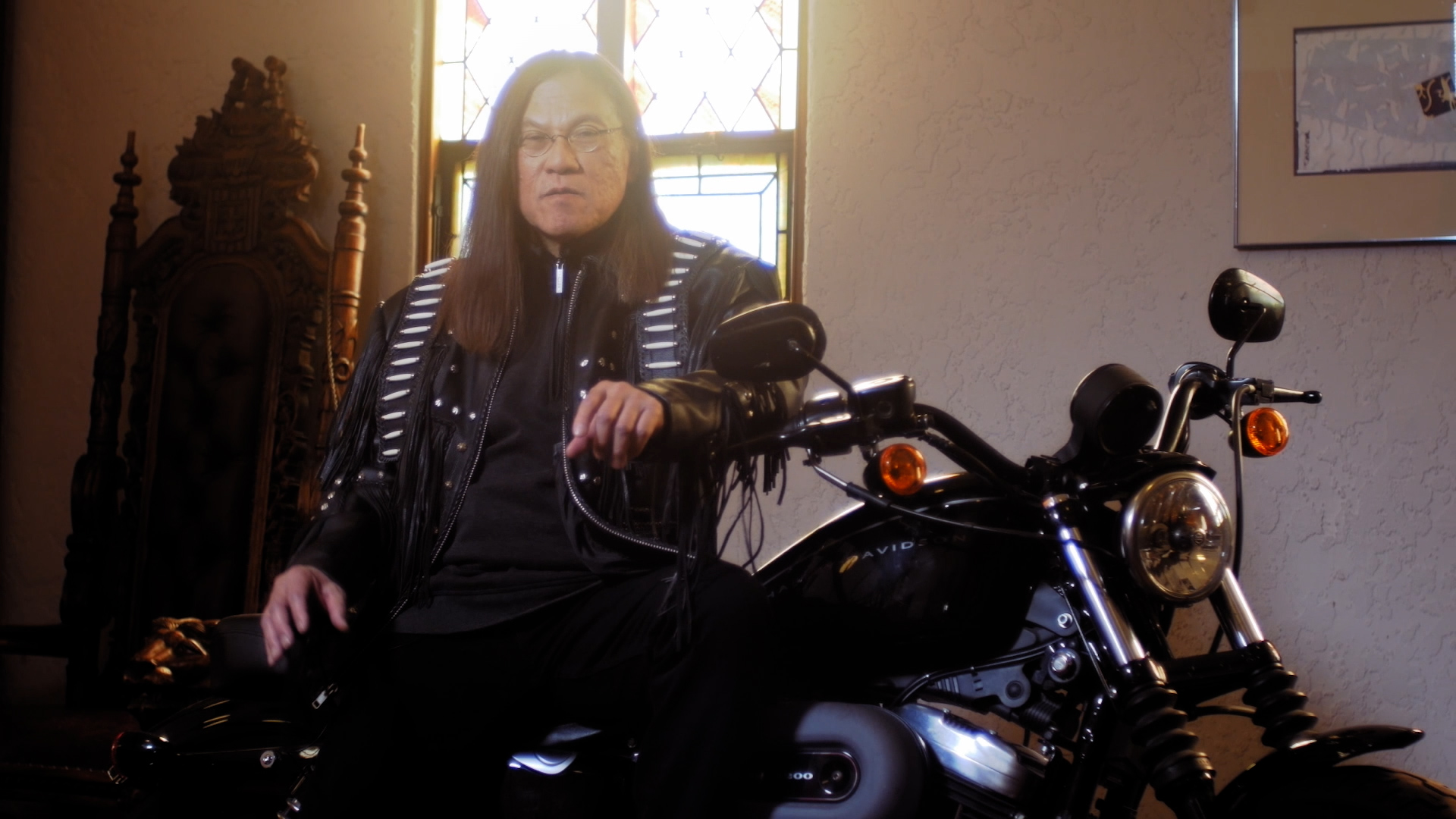


JIM
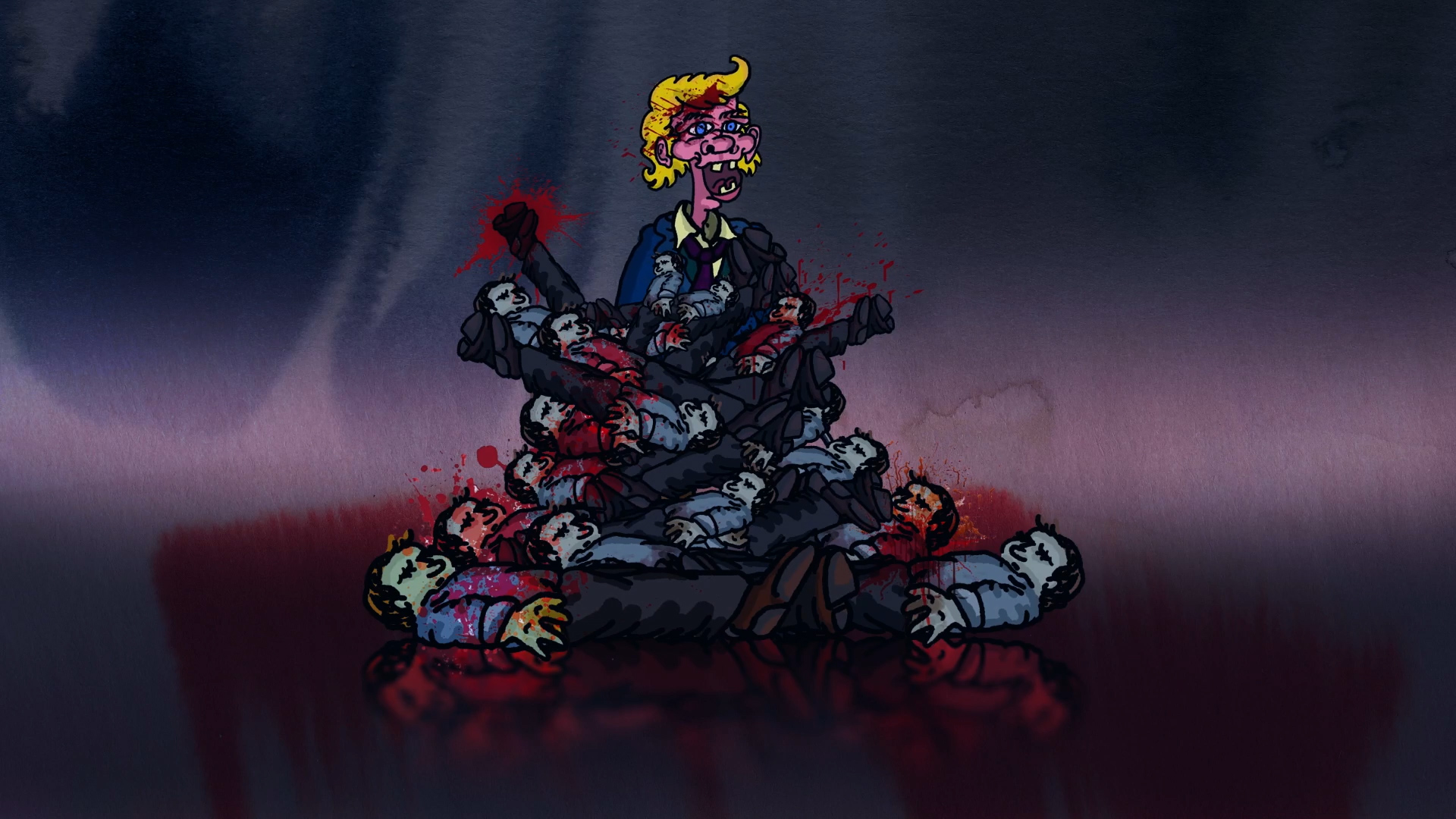
Divided country, divided communities, divided families. Billy the Kid drove a wedge through American society that continues today. We talk with one couple, one family, divided on that big issue. Was Billy the Kid a good guy or a bad guy? We’ll talk with Tim and Ellen, see what they say.
TIM
Howdy. I’m Tim Hageman, and I think Billy the Kid was a good guy. This is my wife.
ELLEN
I’m Ellen Hageman, and I think Billy the Kid was a bad guy.
TIM
Billy the Kid was a leader. And he was just a kid, but he was a fast draw.
ELLEN
He was a criminal. He was a thief. He was a murderer. And we shouldn’t glorify crime.
TIM
I like Billy the Kid because he was fast on his gray horse. Five foot eight, 140 pounds, blue eyes, had a lightning six-shooter on his side. So he loved to dance, and he made people laugh.
ELLEN
He was a polite young man, but you can see from his early years that he started with lying. He would lie about his name, about where he came from. After that, he became a con artist. He was a very persuasive. He would lie about just about anything, and it won him favor an popularity. Soon he lied and stole to make his living. It was easier than working, and people liked him.
TIM
What do you expect for an Irishman? He did whatever it took to survive. And when he was forced into a corner, he had to protect his pals and became famous for escaping from the Lincoln County Courthouse and killing two US Marshals. He’s a survivor.




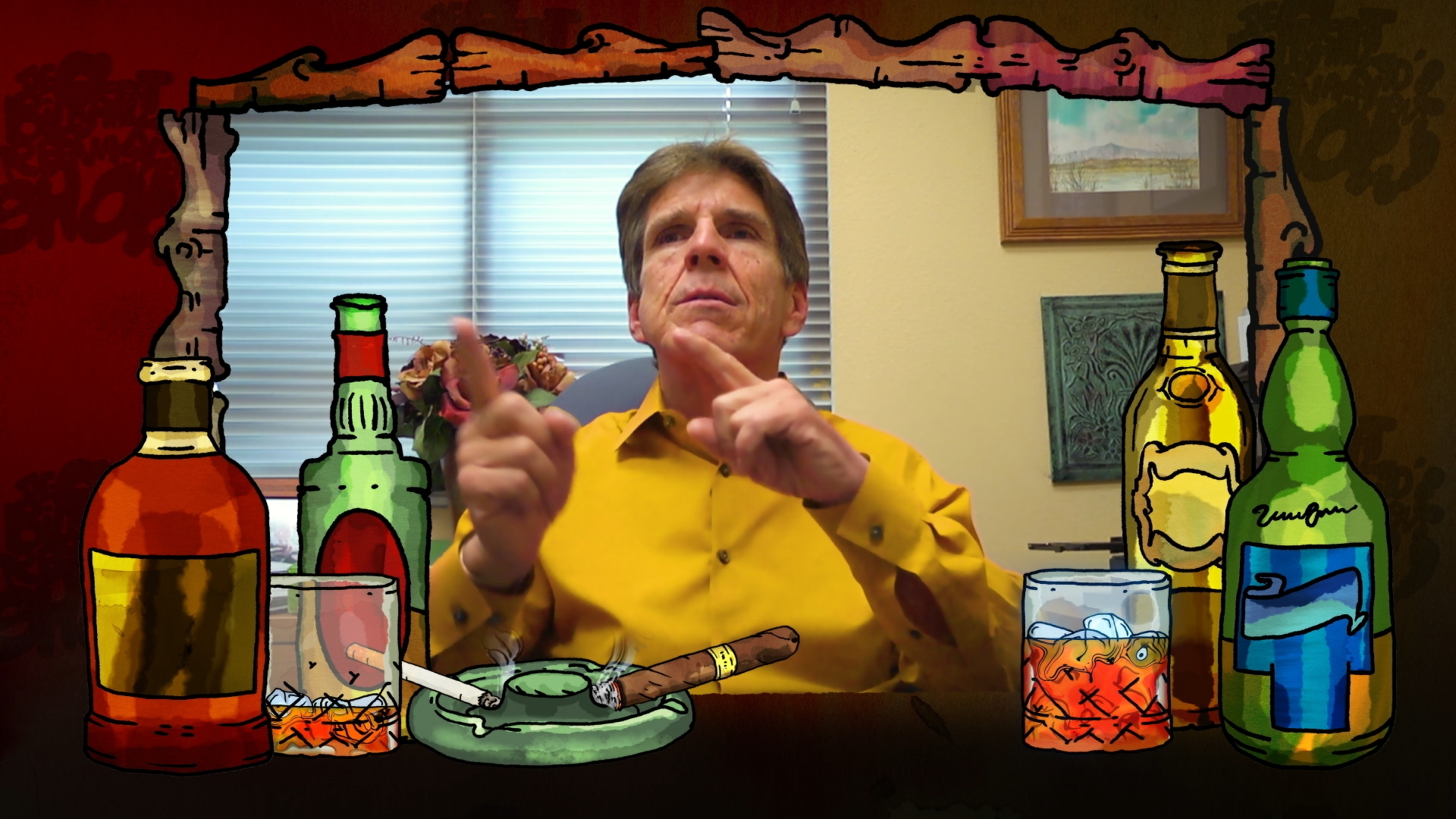
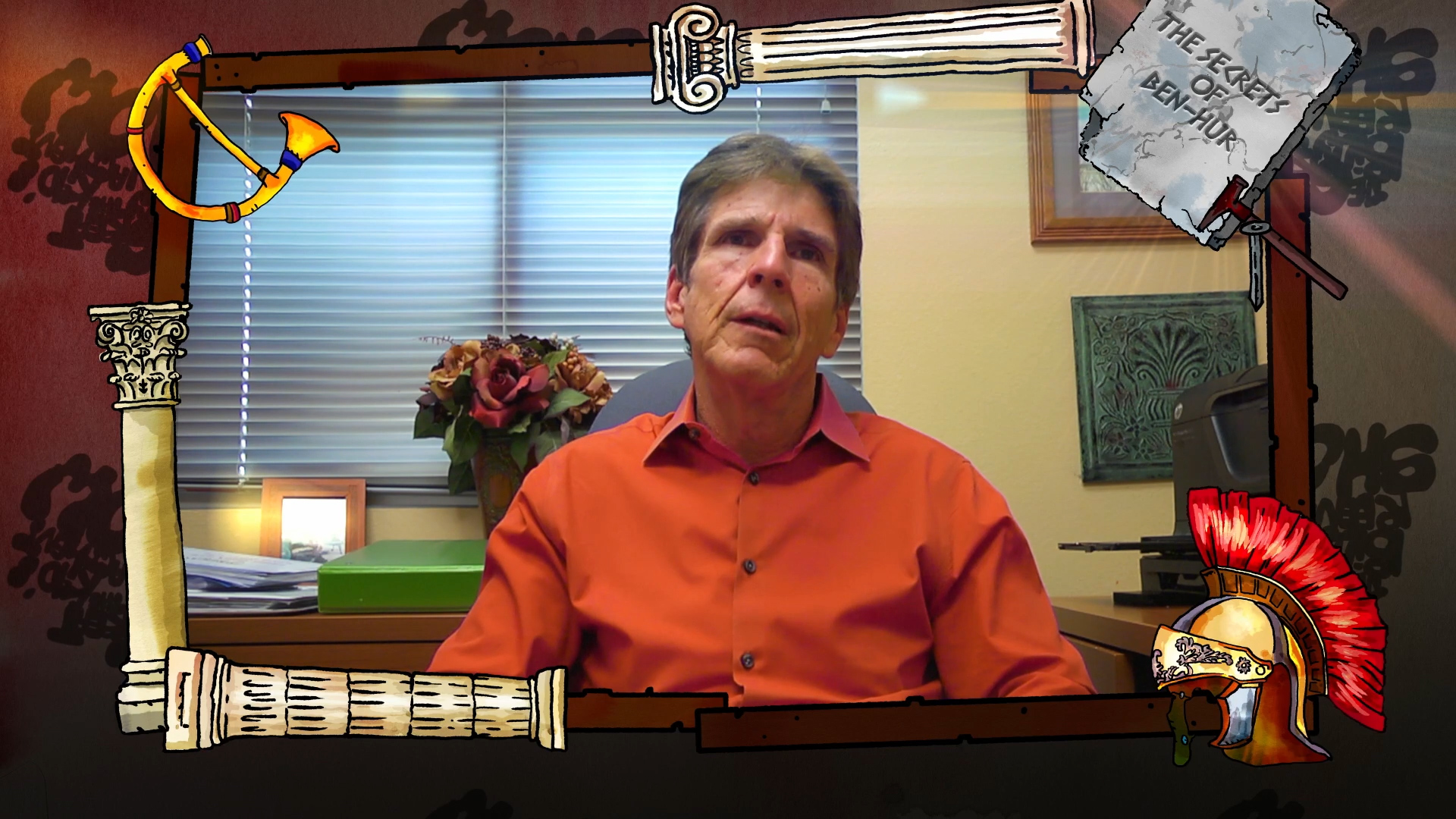
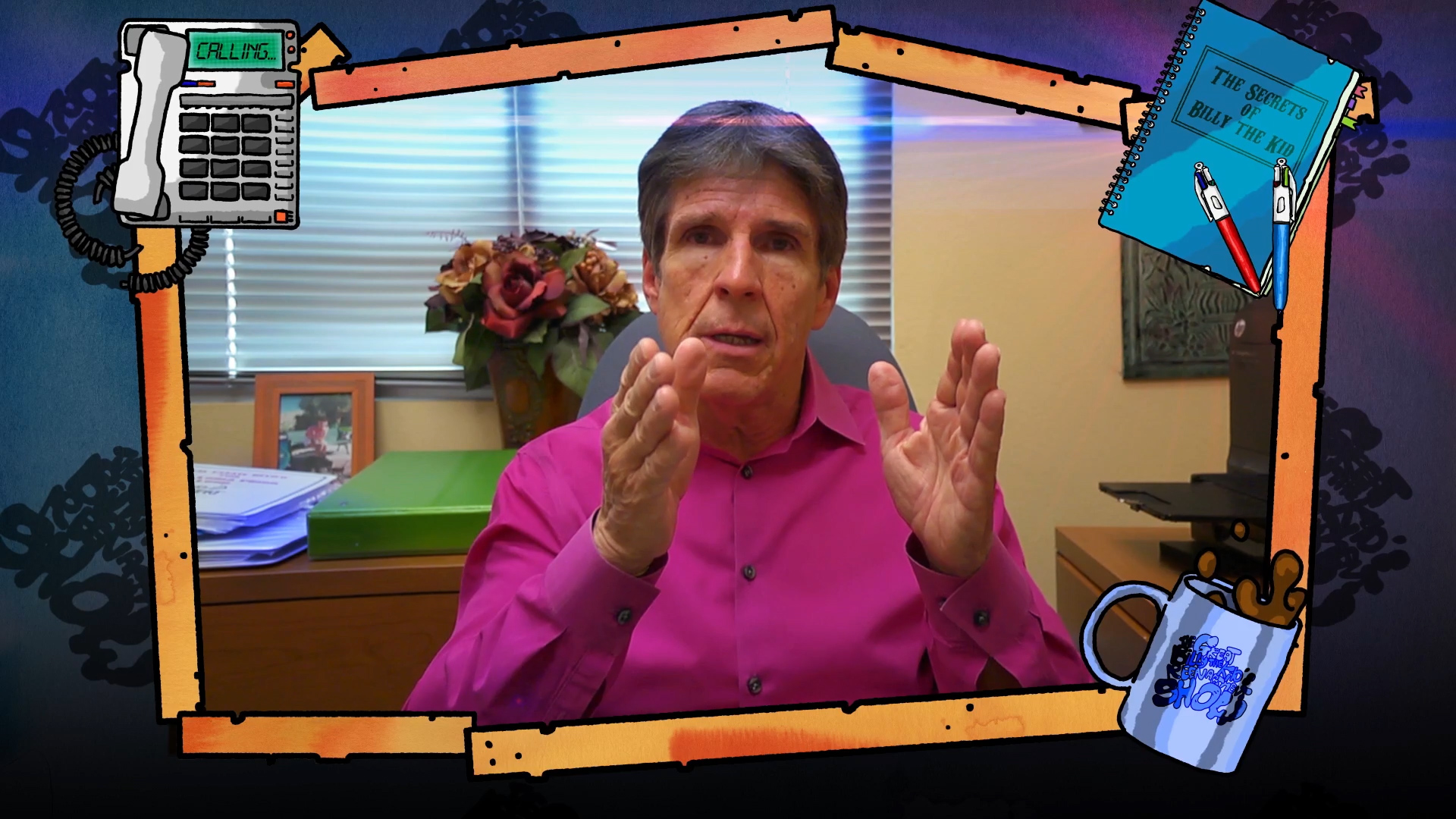

“I’d like to see him pardoned, yes, because he was a victim of his time, and it’s interesting to see that he’s key to understanding life in New Mexico in the 1870s. The pardon was supposed to be given from Governor Lew Wallace—I imagine you know who Governor Wallace was. I believe that when Governor Wallace found himself in this situation, he had a great deal of respect for Billy the Kid. And I believe he knew that Billy was a victim of circumstances. So, I believe he was willing to do anything to help the Kid, but he also had to negotiate with the Santa Fe Ring and its men behind the scenes, like Thomas Catron. If you go to the Santa Fe cemetery, you’ll see his enormous mausoleum. This man had a lot of money and a lot of power. Basically, Mr. Catron ruled from the shadows, and all the other guys were his pawns. Governor Wallace understood this, and he told Billy, “I want to give you a pardon.” But he didn’t know that he couldn’t control Judge Bristol or the district attorney, because they all worked for Mr. Catron. If you go to Cerrillos—which is where Young Guns was filmed, by the way—you’ll see that Governor Wallace had stayed at the hotel and written the book Ben-Hur there. You’ve probably seen the movie Ben-Hur and read the book; it’s all about giving pardons, about sparing the characters. And I think that’s what proves how the events surrounding Lincoln inspired him to write the book and the characters of Ben-Hur. It’s even the central theme of Mr. Hur’s character: he spends his time granting forgiveness, and I believe that reflects what he was going through when he was trying to save Billy the Kid.”


Algorithm Kid Sequence





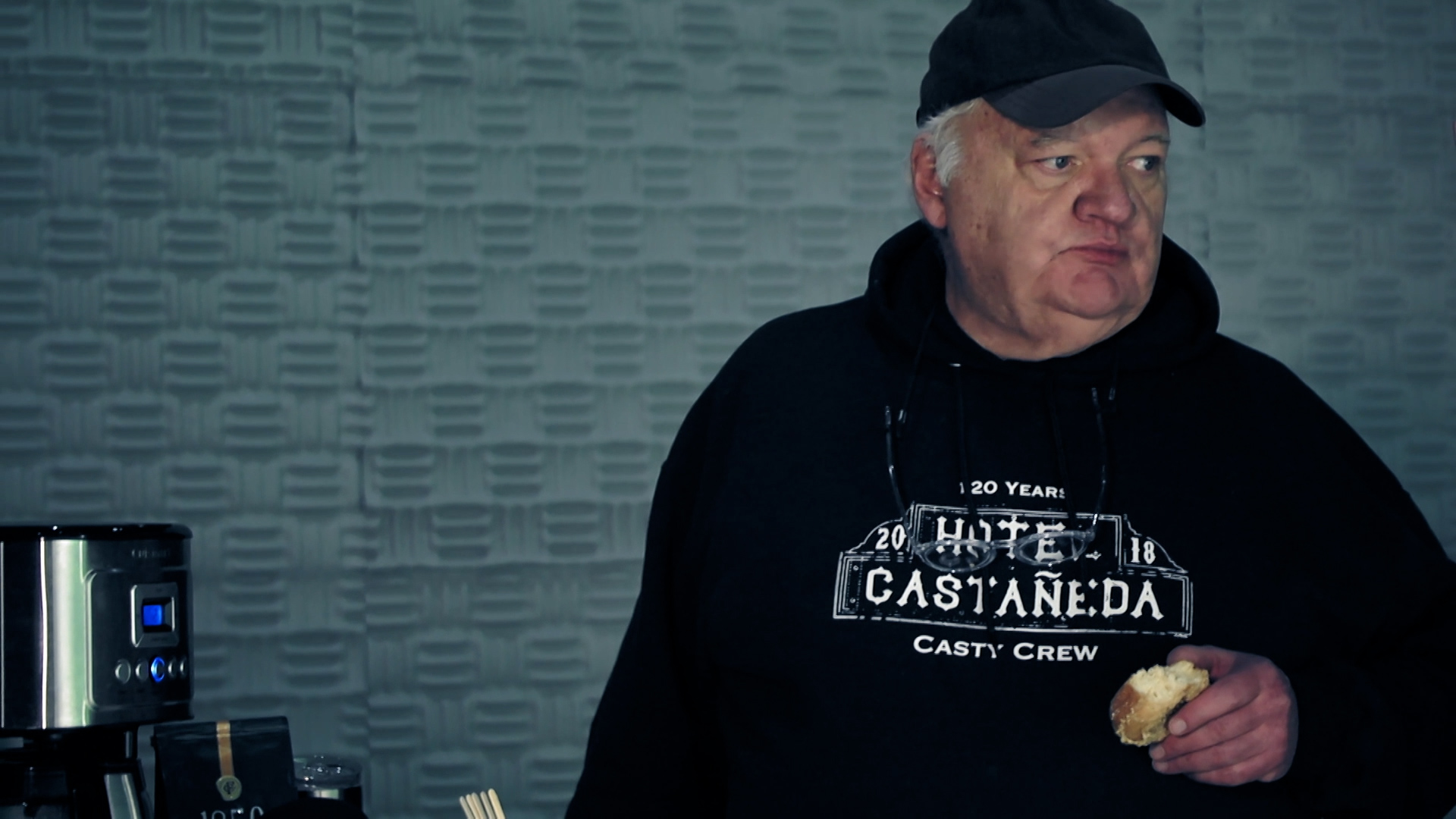
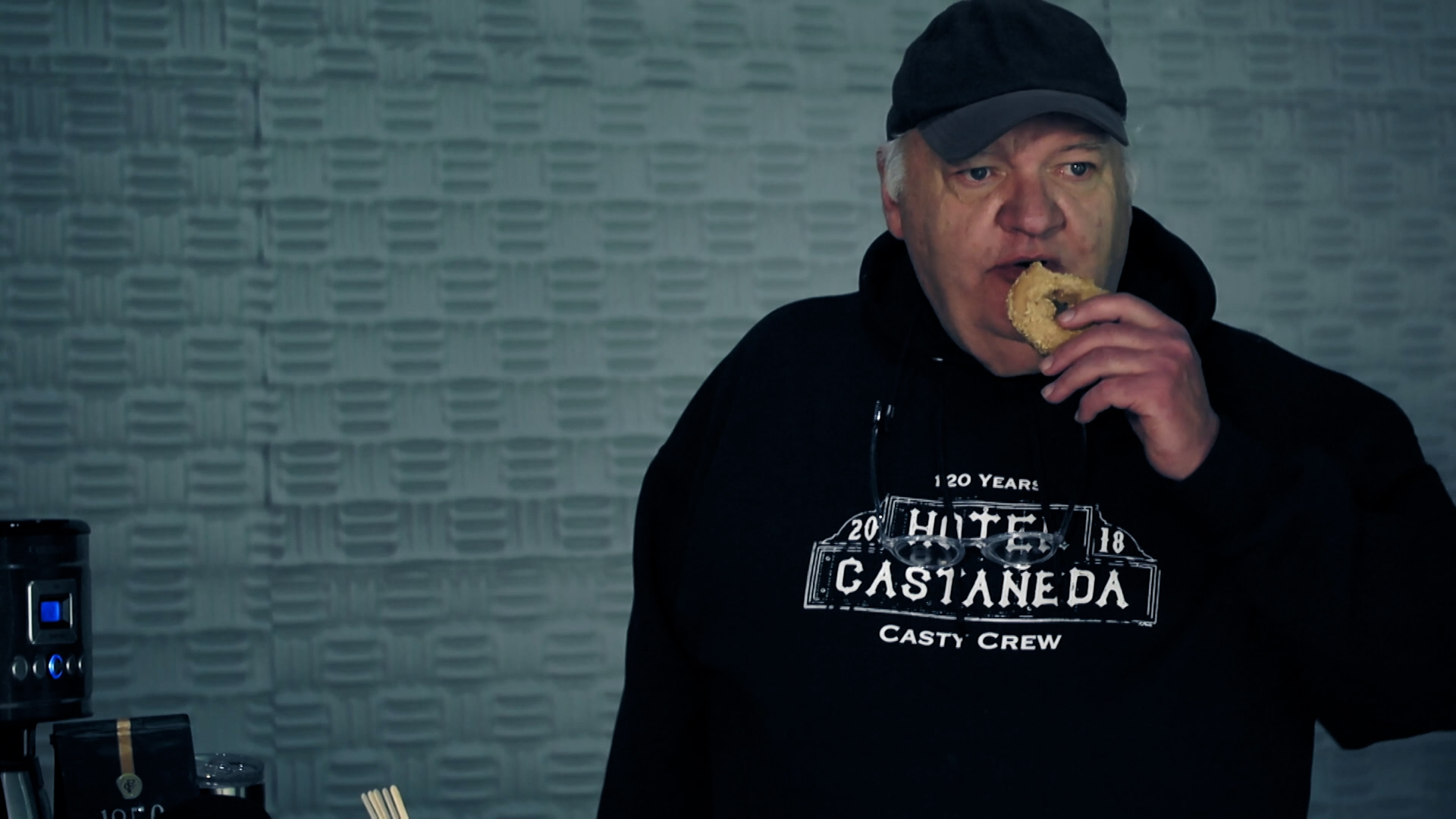
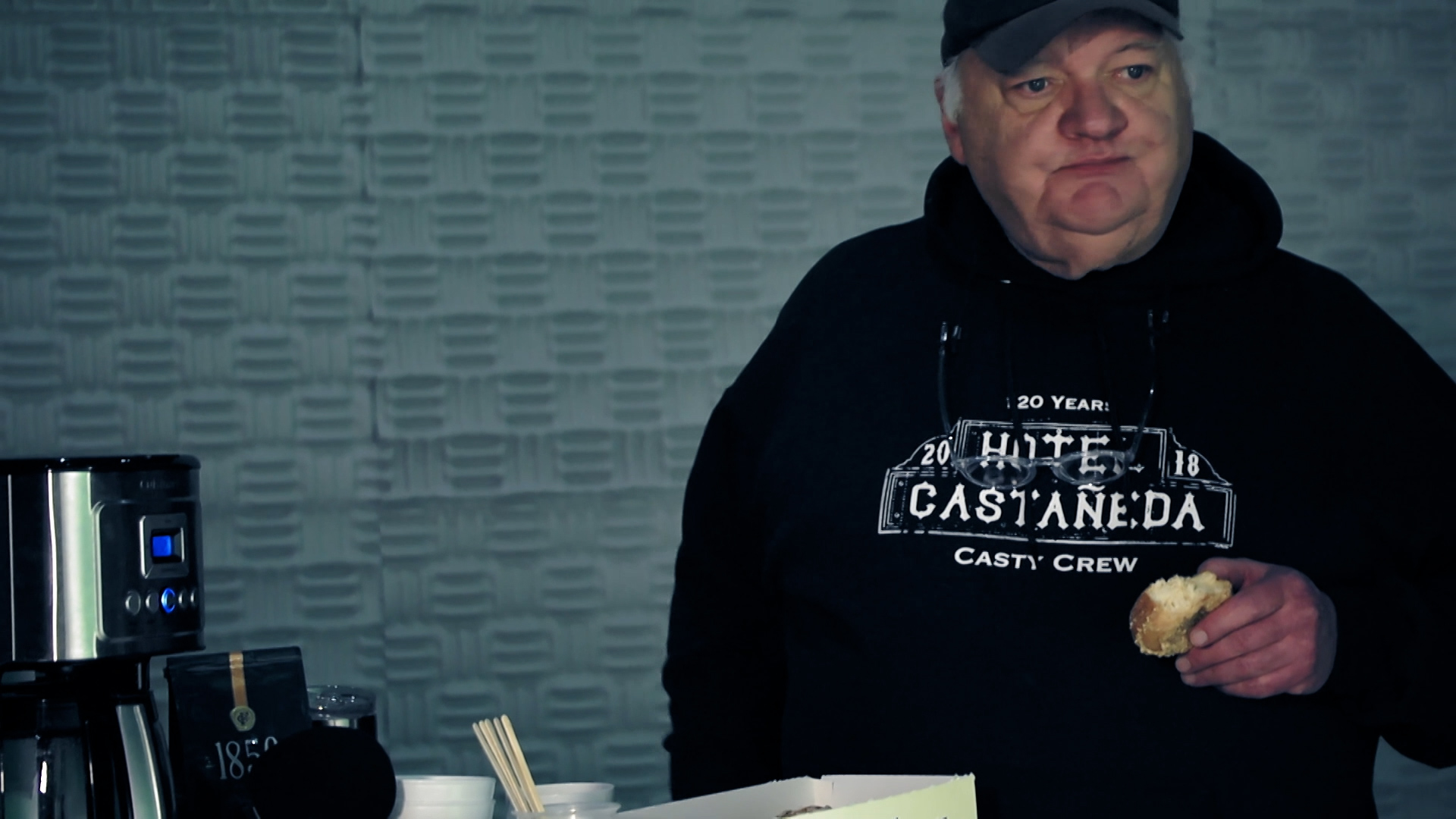





















“And now for our next scene, we follow the mysterious guy as he goes to try and acquire some C4 explosives from the one and only Angel Cottonwood. Ex-military, a little crazy. She knows how to cook the stuff up. We need it for Billy the Kid’s scene with Jim, his breakout sequence. You don’t want to miss this. Stay tuned.”
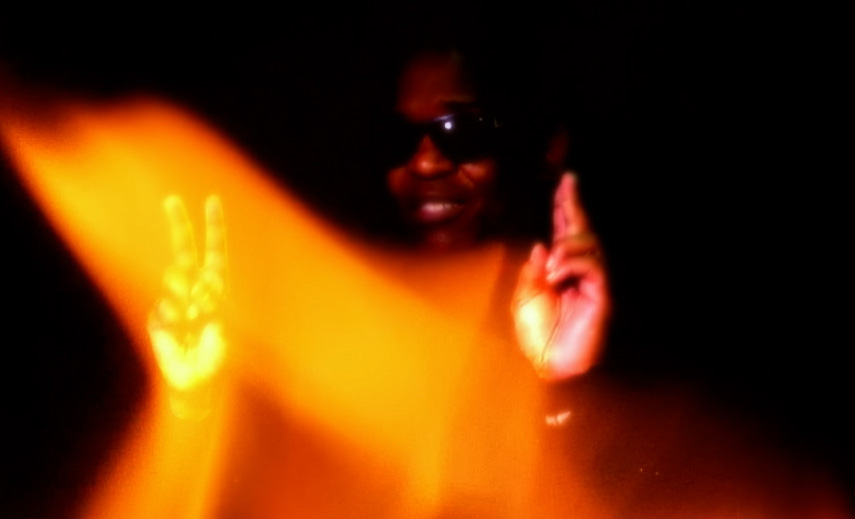


“Now, you have helped us. You, individually and as a group, have helped us formulate what a new Billy the Kid would be like in our times. It’s taken all sorts of twists and turns, new shapes, but what’s left is one very big point, and that is: how would Billy escape from a modern, high-security prison?
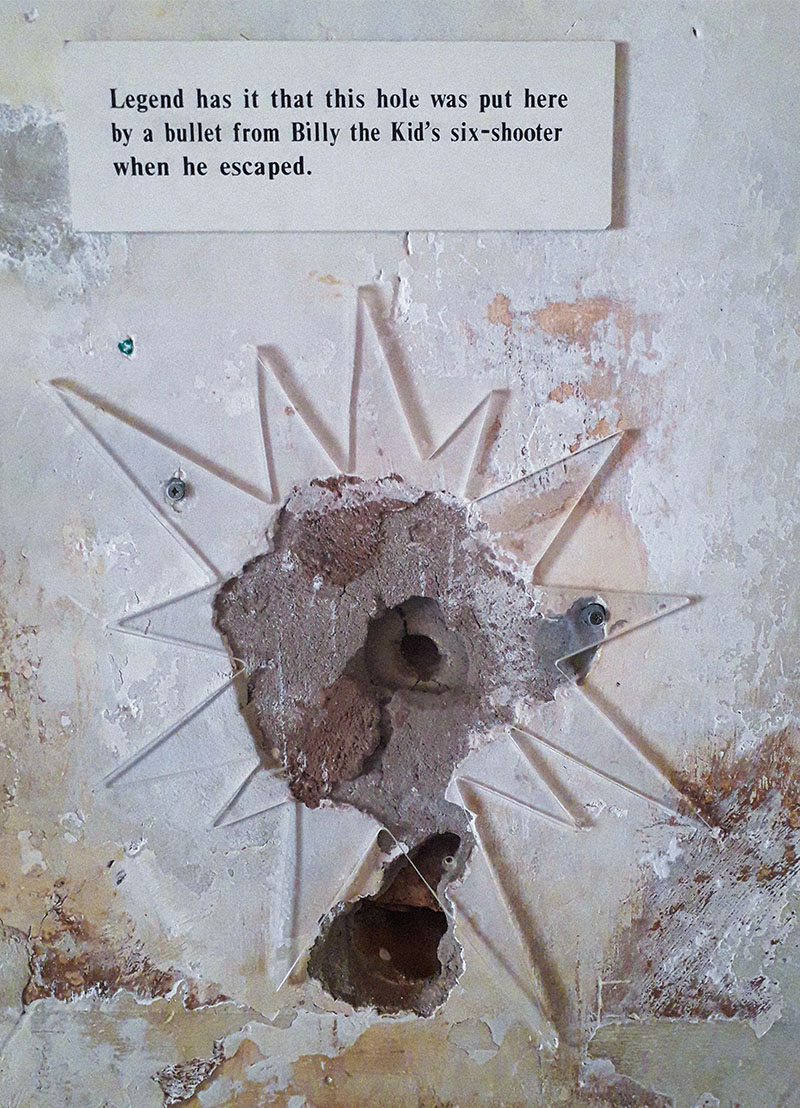
Remember, on April 28th, 1881, Billy the Kid made a spectacular escape from the Lincoln County Prison. He was handcuffed, and yet he was able to steal a gun and shoot Deputy James Bell in cold blood. And then, seconds later, he calls out to Bob Olinger, “Look up, old boy, and see what you get.” Boom. Today, of course, prisons are much, much more secure. There are fences and security cameras, highly trained staff. So would all of that keep Billy behind bars? You have the answer.
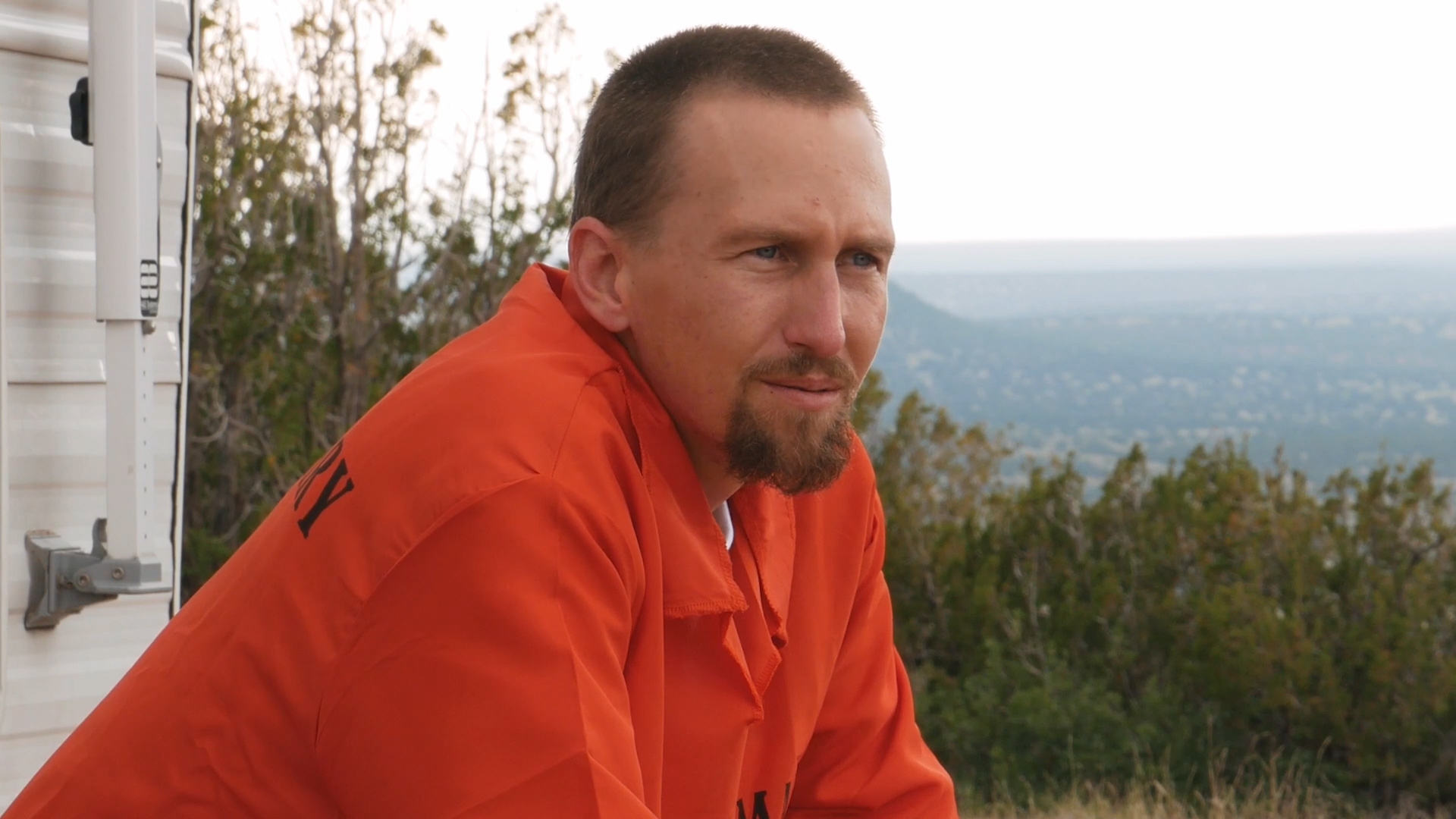
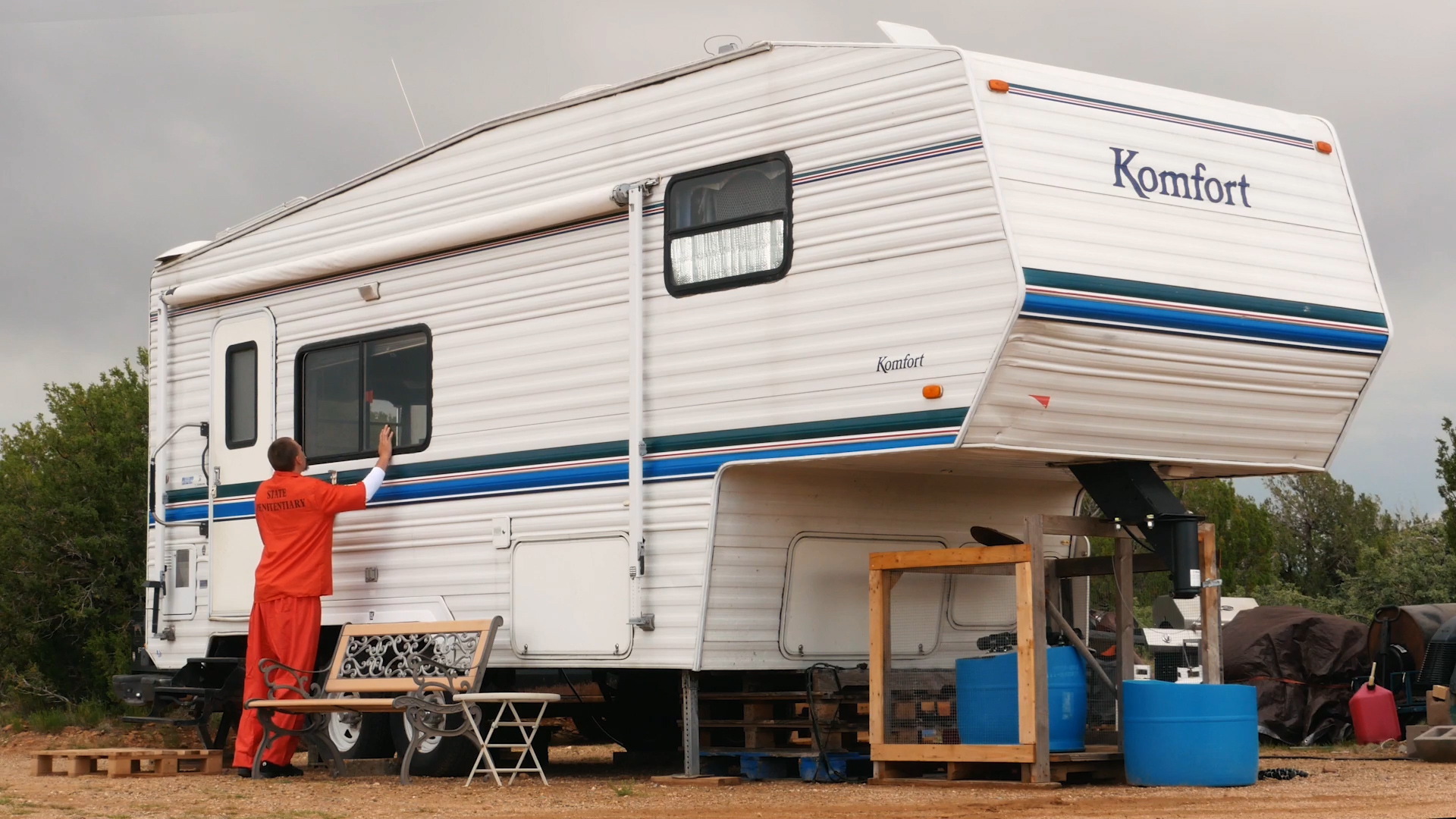
But this time, we thought the telephone, 1-800-555-5601, not enough. We need you to participate. We need you. Right now, we need every single one of you to come and help us find the truth about Billy the Kid and escaping from prison. Now, some of you think, “Oh, this is too much. I can’t leave Scarsdale for New Mexico. I can’t come out of Los Angeles and go halfway across the country.” So we’re changing it. We will be doing this as a game show. Top prize, $10,000. And for those of you who say, “Oh, I’m never lucky. I never win,” this is not a game of luck. This is a game of Billy the Kid, and it is a game of skill and skill alone. No luck, skill. I’m telling you, it is skill. Ladies and gentlemen, we are delighted to welcome you to The Great Escape Show, where you are the star. You are the hero. You are the one who will break out of prison, and you may win $10,000!”




↓↓BUY THE MUSIC RIGHT THERE↓↓

Credits
THE NEW KID
Directed by Arnaud Dezoteux
With
(in order of appearance)
Jim Hunyadi
Lisa Cisneros
Kathleen Hendrickson
Carol Robertson
Arielle Hawney
Ali Romero
Ray Jaramillo
Sharon Vander Meer
Patti Romero
Tito Chavez
Lucas Juarros
Andy Kingsbury
Melissa Greene
Teianna Mitchell
Debbie Pike
Princess Fiona
Ian Ertel
Floyd Griego
Maria Armijo
Amber Word
Joshua Word
Damon Packard
James & Mike & Dave & Q
Uriah Davis
William Mora
Edward Alexander
Jamie Garcia
Benny Romero
David Lobdell
Roy Montebon
Tim Hagaman
Ellen Hagaman
Mark Wingert
Becca Sharp
Jake Erickson
Daniel Ulibarri
Jasmine Crespin
Danny Sharp
Doug Cantrell
Sarah Joe Matthews
Bailey Simon
Heru
Jasmine Grizzard
Gustavo Garcia
Julie Timblety
Jacobo Rael
Juan Gonzales
Juan Montano
Xaver Elgin
Janet Allestad
Camera
Arnaud Dezoteux
Charlie Malgat
Editing
Arnaud Dezoteux
with Constance Vargioni
Sound Editor and Re-recording Mixer
Arno Ledoux
Studio Assistant
Médéric Corroyer
Original Soundtrack
Benjamin Efrati
Music Mixer
Cyril Harrison
Additional Music
Suspense Sound Effect A
Fesliyan Studios music
Animation and Visual Effects
Arnaud Dezoteux
Color Grading
Lény Lecointre
Production
Arnaud Dezoteux
with Les Volcans
—
“Le Dormeur du Val”
A poem by Arthur Rimbaud
“Vision from New Mexico”
A poem by Edward Alexander
“Philip K. Dick, the Matrix, Aliens and Alternate History:
My Conversation with Tessa B. Dick”
Article by Rizwan Virk on medium.com
—
This film was made possible thanks to the generous participation
of the inhabitants of the city of Las Vegas, New Mexico
And the support of Mayeur Projects,
The NMHU Media Arts and Technology Department,
The Face Foundation,
La Fondation des Artistes,
Le Fresnoy – studio national des arts contemporains
Special Thanks
Jim Hunyadi, Roy Montebon, Julie Timblety, Heru, Xaver Elgin,
Angela Meron, Myriam Langer, Elias Gonzales, Mary Basler,
Shawna Sandoval, Aaron Sandoval, The Skillet,
Elisabeth Sandoval, Charlie’s Spic and Span,
Borracho’s Craft Booze and Brews, Plaza Antiques,
Tim Combs, Ron Querry, Laura Gonzales, Victoria Mora,
Anastacia Wichman-Grizzard, Anne-Claire Duprat,
Isahia Rodriguez, Aaron Juarros, Elisabeth Juarros,
Christian Mayeur, Anne Poux,
Henri & Anne-Marie Dezoteux, Bertrand Dezoteux,
Naoki Sutter-Shudo, Christophe Herreros, Arash Nassiri,
Antoine Thirion, Corinne Castel, Annick Lemonnier,
Clémence Agnez, Benjamin Fraboulet, Pascaline Morincome,
Benjamin Magot, Grichka Commaret, Thomas James,
Julie Bernou, Pauline Toyer, Céline Vaché-Oliveri,
Celsian Langlois, Blandine Tourneux, Victoire Dubruel,
Charlie Malgat
2021